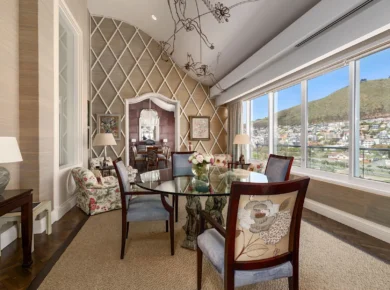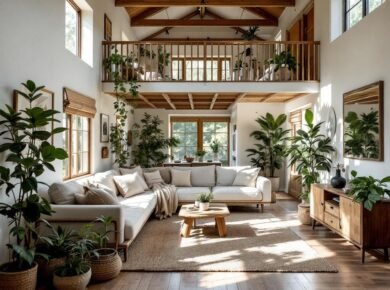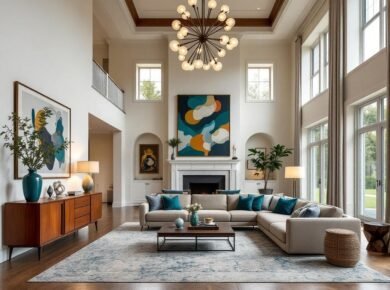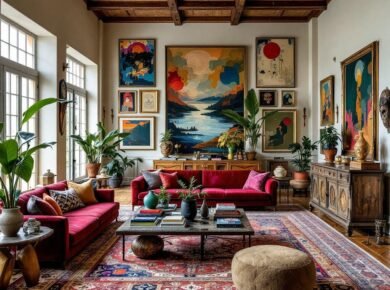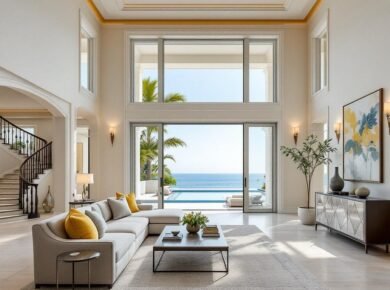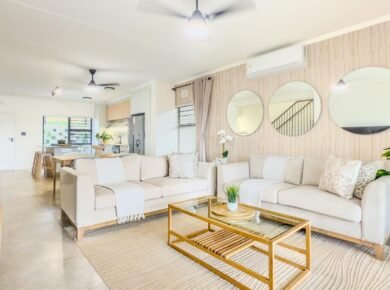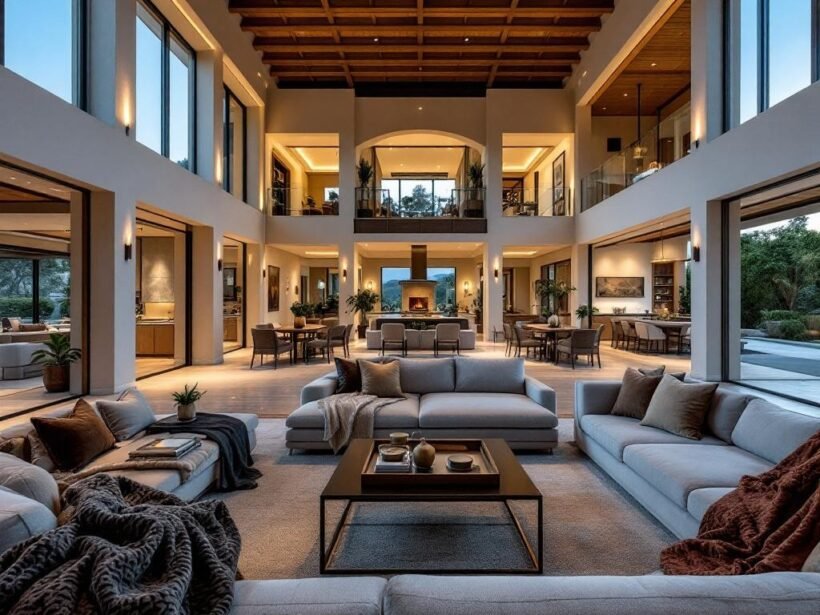

At its best, supportive home design quietly supports you. It doesn’t demand attention. It doesn’t require constant effort. It simply works — and feels good. When you enter a space designed with intention, there’s an immediate sense of belonging and ease. Each element harmonizes, creating a seamless experience that feels both intuitive and inviting. Consider how different textures, colors, and layouts can work together to enhance this feeling of comfort and functionality. Whether it’s a cozy nook by the window or an open floor plan that fosters connection, these details come together to create a supportive atmosphere.
This is where all the pieces come together. Imagine walking into a room that feels just right. The lighting warms your skin, the furniture invites you to sit, and the arrangement of items sparks joy rather than chaos. This is the essence of supportive home design. It’s not just about aesthetics; it’s about how each aspect of the design works to enhance your daily life. Through thoughtful consideration of space and purpose, every room can transform into a sanctuary that nurtures your well-being.
Supportive home design is where all the pieces come together. It’s about crafting spaces that resonate with your lifestyle and values. Consider the flow of your home — how you move through it and how it accommodates daily activities. This approach ensures that your home serves not just as a shelter, but as a true reflection of who you are and how you live, promoting a sense of peace and harmony in your everyday routines.
Design for How You Actually Live
Embracing Supportive Home Design
The most successful homes are shaped around habits, not ideals. Think about the routines that define your day-to-day life. Analyze where you naturally drop your bag after a long day, how you unwind in the evening with your favorite book or a show, and what you reach for daily, such as your coffee mug or a cozy blanket. By designing around those truths, you create a space that feels as though it was made just for you, enriching your daily experience.
- Where you naturally drop your bag
- How you unwind in the evening
- What you reach for daily
Design around those truths to create a home that intuitively supports your lifestyle, making each day a bit more joyful and less hectic. Think of storage solutions that blend seamlessly into your design while being functional. For example, using stylish baskets for keys or mail can help keep your entryway tidy yet welcoming.
Comfort Is a Daily Luxury
Soft textiles from Loomlan add warmth and usability, transforming spaces into havens of relaxation. Imagine a plush throw draped across your sofa, inviting you to snuggle up with a cup of tea. Small functional accents from Curated Home Gifts make everyday moments smoother — a tray here for your favorite snacks, a basket there for the remote controls or magazines. These details create an atmosphere of comfort and accessibility, enhancing the luxury of your daily life.
When a Home Feels Supportive, You Notice
You feel less rushed, less cluttered, and more at ease. That’s the real success of good design — not how it looks in photos, but how it supports your life. When your home meets your needs, you can focus on what truly matters: quality time with loved ones, personal growth, and relaxation. This is the essence of living in a well-designed space; it allows you to thrive and enjoy every moment more fully.
Consider the role of color in creating a supportive environment. Soft, muted tones can induce calmness, while vibrant colors can energize a space. Choose a palette that resonates with you and reflects the mood you wish to create in each room. For example, soothing blues and greens can be perfect for a bedroom, while warm yellows can make a kitchen feel inviting and cheerful. The colors used in supportive home design play a crucial role in how you feel while navigating your home.
Another important aspect is the incorporation of nature into your home. Biophilic design, which connects people with nature, can enhance your well-being. This can be achieved through indoor plants, natural light, and organic materials. For example, having large windows to let in sunlight or using wooden elements can create a sense of tranquility and connection to the outdoors, further enhancing the supportive atmosphere of your home.
Recommended Stores

LOOMLAN
Home furnishings and decor with Zero-VOC finishes: sideboards, dining chairs, sofas, rugs, and more.

LOOMLAN Outdoor
Luxury outdoor seating, tables, and lounges. Sustainable FSC teak, aluminum, and UV-stable wicker.

Sideboards & Things
Durable sideboards, buffets, and accent cabinets. Repurposed woods, eco-friendly finishes, and unique global styles.

Uptown Sebastian
American-made customizable furniture in top-grain leathers. Premium craftsmanship with a focus on sustainability.

 Interiornice